The regime still has leverage through Hormuz, but executions, Gulf attacks, and nuclear backtracking suggest a crumbling half-government under enormous pressure.
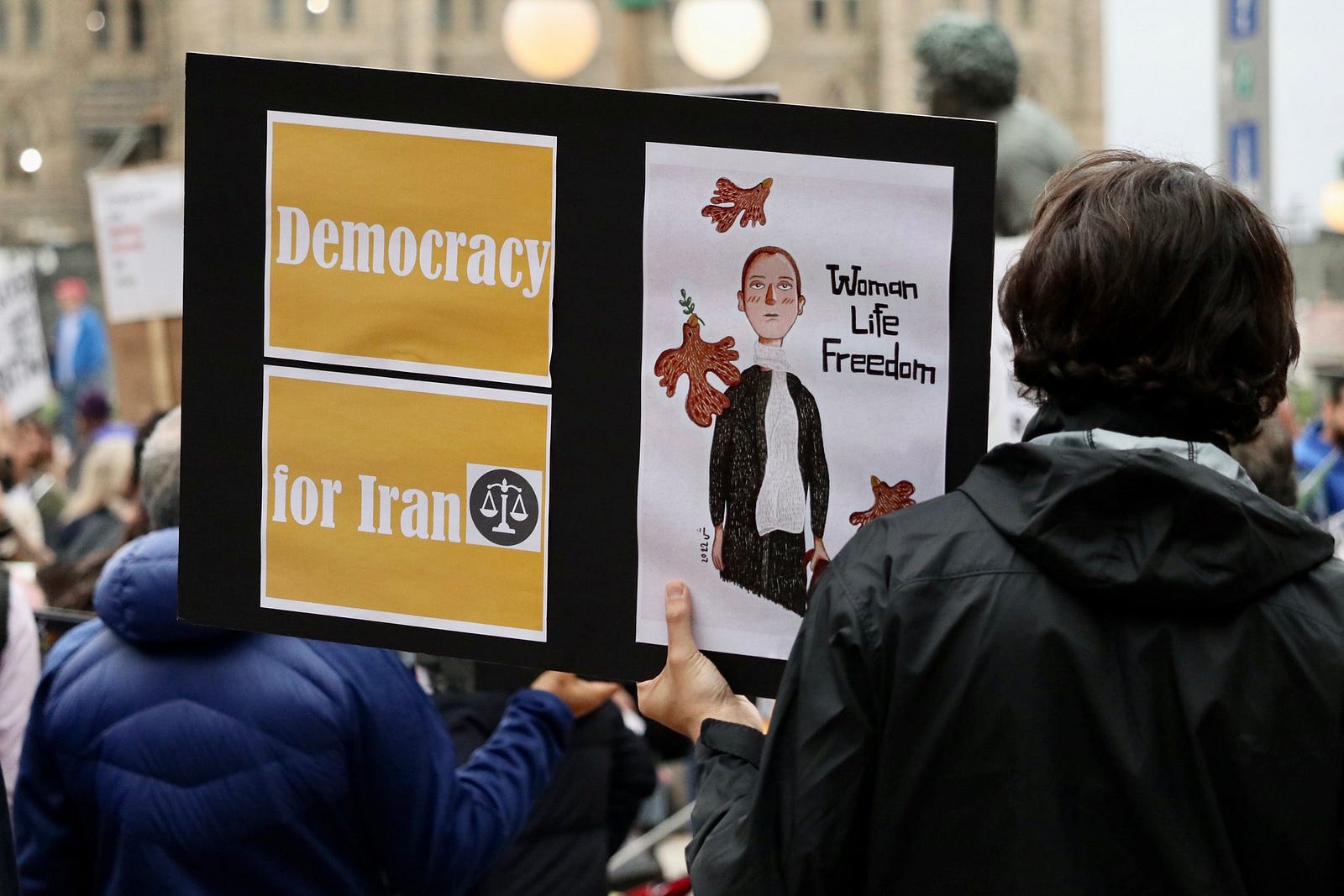
Iran may still be dangerous. It may still be capable of causing enormous regional damage. It may still be able to disrupt the Strait of Hormuz, threaten Gulf energy infrastructure, and keep the world’s oil markets on edge.
But dangerous is not the same thing as strong.
In fact, the more this conflict drags on, the more Iran’s regime looks brittle.
The executions are one reason. Iran’s hanging of 29-year-old Erfan Shakourzadeh, a graduate student accused of spying for the CIA and Mossad, is not just another grim human rights story from a regime with a long record of brutal punishments. It is part of the war story.
According to rights groups, Shakourzadeh denied the charges and said he had been tortured into a false confession. Iran’s judiciary says he confessed and passed sensitive information to foreign intelligence agencies. That is the regime’s version. But anyone who has watched Iran for more than five minutes knows forced confessions are not exactly rare in the Islamic Republic.
And there is no free press in Iran, so the message is obvious. The regime is telling its own people: do not talk, do not protest, do not help, do not even think about cooperating with the enemy. If the U.S. and Israel were able to hit Iranian targets with devastating precision, the regime needs someone to blame. Alleged spies are useful. Students, engineers, protesters, dissidents — all of them become warnings to everyone else.
A secure government does not need to terrorize its own population into submission.
Then there are the Gulf attacks. If reports are accurate that Iran attacked the UAE and damaged major energy infrastructure, that is not a sign of careful strategic confidence. It is reckless. The UAE is not Israel. It is not the United States. It is one of the Gulf states that usually tries to manage conflict quietly, preserve trade, and avoid open regional escalation whenever possible.
For Iran to lash out at Gulf targets is to remind every neighboring government what the regime really is. The same Iran that demands recognition and concessions is also willing to attack the energy lifelines of countries around it. That may scare the Gulf.
It may also harden the Gulf.
Saudi Arabia, the UAE, Bahrain, Qatar, Kuwait, Oman — none of these countries want a permanent regional war. But they also cannot live forever under the threat that Iran can hit ports, gas plants, airports, or shipping lanes whenever it wants leverage.
This is where the Strait of Hormuz becomes both Iran’s strongest card and its biggest trap.
Political analyst Robert Kagan is right about one thing: Hormuz is enormous power. If Iran can decide who passes through the strait, when they pass, and under what conditions, that is global leverage. It touches oil, gas, shipping, inflation, Asian economies, and American politics. In some ways, it may be more immediately useful to Iran than a nuclear weapon.
But leverage only works if the world eventually accepts it. If Iran turns Hormuz into a toll booth run by the Revolutionary Guard, it gives the rest of the world a reason to unite against it. Not just America and Israel. China, Europe, Japan, South Korea, India, and the Gulf states all have reasons to reject an Iranian veto over one of the most important waterways on earth.
That is the danger for Tehran. Hormuz gives Iran power, but it also clarifies and raises the stakes for everyone else.
The nuclear negotiations tell the same story. President Trump says Iran verbally agreed to give up or allow the removal of nuclear material, then refused to put the key concession in writing. The “moderates” inside Iran want a deal. They know the regime cannot keep absorbing military, economic, and internal pressure. But if the zealots will not let them sign, then who exactly can negotiate for Iran?
The question is whether any faction can deliver a binding agreement.
Trump described the ceasefire as being on “massive life support.” That sounds as if the war is paused, not resolved. The blockade continues. Hormuz remains the pressure point. Iran is executing alleged spies and protesters. Gulf states are being pulled deeper into the conflict. The nuclear issue is still unresolved.
As such, regime change looks more realistic than it did at the beginning of this war. The regime looks more brittle. The executions make it look frightened and weak. The Gulf attacks make it look reckless and too dangerous to be allowed to continue. The nuclear negotiations make it look divided. Hormuz gives it leverage, but also gives the world a reason to unite against it.
That is the dangerous combination: a regime strong enough to cause regional chaos, but weak enough to fear collapse.
(Contributing writer, Brooke Bell)